
Ihtika Entertainment – Cross Genre Movies Trends Explained is your map to how filmmakers fuse styles to create fresher emotional payoffs and stickier stories. You’ll see why audiences now crave layered textures over single-flavor formulas, how tonal pivots amplify suspense or laughter, and where studios quietly experiment to keep attention high. Placing Cross genre movies at the center of this guide aligns with your search intent: quick clarity, concrete examples, and practical takeaways for choosing what to watch, and how to talk about it, like a pro.
In the same spirit, a comprehensive overview of hybrid film dynamics connects directly to Cross genre movies practice when creators strategically stitch modes, the emotional bandwidth widens and the narrative momentum compounds. That’s why you’ll notice how one register primes the next, fear sharpens comedy, tenderness deepens spectacle, and curiosity drives you through the cut.
As film scholar Dr. Elaine Roberts notes, “the rise of hybrid storytelling marks a cultural shift, audiences no longer want to be confined by genre walls, they want to feel multiple emotional currents in a single cinematic journey.”
What are Cross Genre Movies?
Cross genre movies are films that blend two or more distinct styles to create fresh, unpredictable storytelling. Instead of following the conventions of a single category, these movies merge elements such as comedy with horror, romance with science fiction, or drama with fantasy to craft unique narratives that surprise audiences. By breaking traditional boundaries, cross genre movies offer viewers a richer cinematic experience, appealing to multiple tastes while challenging the norms of conventional filmmaking.
Defining cross genre movies
At its core, cross genre movies merge distinct conventions, tone, iconography, narrative beats, into one deliberate design. Think genre-bending cinema, genre mash-ups, and trend hybrid genre 2025 films that subvert expectations without losing coherence. Used well, genre blending isn’t a gimmick; it’s craft. You get surprise and structure, novelty and legibility, precisely what your scrolling brain seeks.
The evolution of genre blending in cinema
From silent-era vaudeville DNA to postmodern collage and streaming-era experimentation, genre hybridity has migrated from curiosity to common language. As platforms de-silo audiences, filmmakers respond with multi-genre storytelling that travels well across cultures. You encounter dramedies that sting, thrillers with musical ruptures, and docu-biopics that flirt with fiction, each a small update to the grammar of film.
Why cross genre matters in film culture
Because it mirrors how you actually consume stories: in feeds, not shelves. The mix keeps cognitive arousal high and fatigue low. A scare after a laugh lands harder. A revelation after a slice-of-life moment blooms larger. For creators, the blend unlocks reach; for you, it unlocks vocabulary to explain why something felt fresh.
The Roots of Cross Genre Filmmaking
Cross genre filmmaking emerged from a desire to break boundaries and challenge the expectations of traditional cinema. By blending elements from different categories such as horror with comedy, drama with science fiction, or romance with thriller, filmmakers began crafting stories that felt both familiar and refreshingly unpredictable.
Historical influences shaping hybrid genres
Variety theater, pulp serials, and global co-productions long ago seeded the habit of combining modes. Early exploitation pictures cross-wired shock and satire, while New Wave experiments recombined realism with genre iconography. Each era left behind usable parts, templates that today’s makers remix for immediacy.
Early examples of cross-genre success
Audiences learned to “read” hybrids through confident templates: horror that smuggles social allegory, comedies braided with crime mechanics, and vérité texture colliding with fiction. Those successes normalized labels like dramedy, horror-comedy, sci-fi Western, and docufiction, giving you quick handles for complex experiences.
Filmmakers pioneering cross-genre styles
From festival darlings to breakout hitmakers, directors have used mixture as both artistic signature and distribution strategy. A distinct blend travels farther: it plays the midnight crowd, the awards circuit, and the algorithm with equal fluency, because it delivers recognizable beats in unexpected sequences.
The Artistic Value of Cross Genre Films
Cross genre movies challenge conventional storytelling by blending distinct cinematic styles into a single narrative. This fusion not only expands creative possibilities but also deepens emotional resonance, allowing audiences to experience familiar themes through fresh and unexpected lenses. By breaking boundaries, these films demonstrate how art thrives in experimentation, proving that innovation often lies in the spaces between established genres.
Breaking traditional narrative boundaries
Blending frees structure. A mystery spine can hold a romance; a musical number can interrogate a biopic; satire can ventilate a thriller. You end up with elastic pacing and permission for detours, moments that would feel indulgent in a pure genre but feel essential in a mixed one.
Boosting engagement with variety
Variety keeps attention sticky. Tonal whiplash, used intentionally, resets your emotional baseline so turns land harder. Comedic decompression after dread; quiet intimacy after spectacle; these oscillations make recall stronger and recommendations easier (you’ll want to tell a friend about “that scene”).
Expanding creative opportunities for filmmakers
Modern pipelines, virtual production, nimble VFX, and accessible post tools, reduce the penalty for switching modes midstream. That invites bolder blends and faster iteration, especially for indies. The result is a rising supply of well-crafted experiments that still feel accessible to broad audiences.
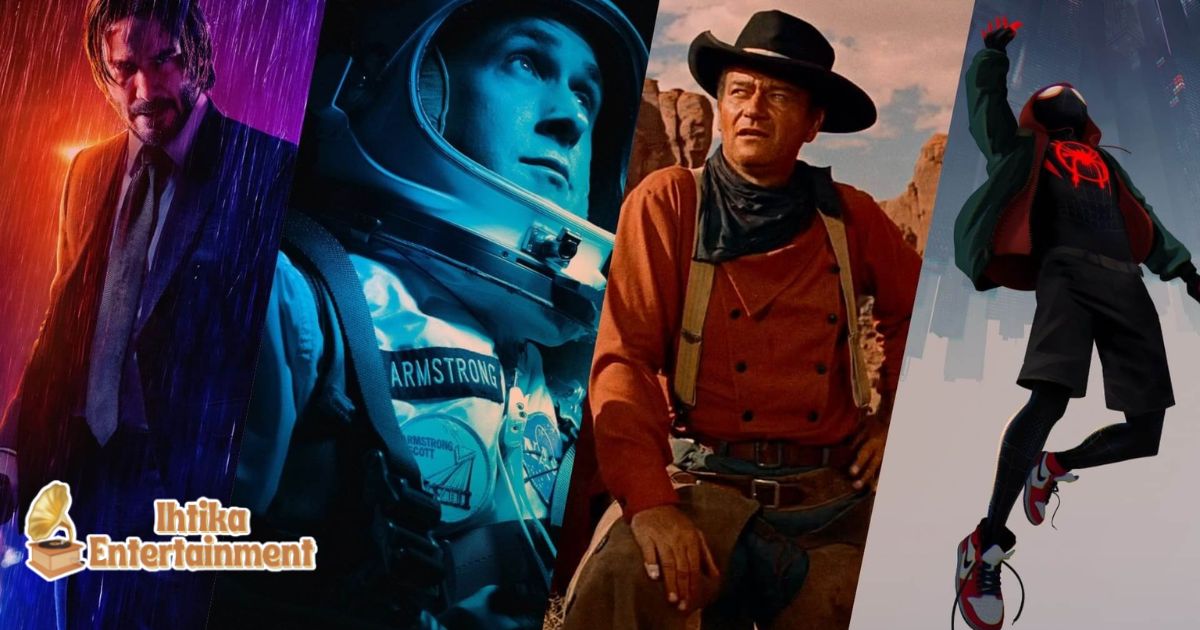
Explore the World of Cross Genre Movies Today
Here’s where the market and your mood align. The trend hybrid genre 2025 wave rewards curiosity: festival slates brim with multi-genre storytelling, studios test genre-bending cinema in mid-budget corridors, and streamers surface hybrid-genre films that hook niche and mainstream simultaneously. To navigate, track micro-labels, horror-comedy, sci-fi Western, docufiction, and dramedy, and how each retools familiar arcs.